
A new roadmap co-authored by University of Queensland researchers sets out the research priorities needed to tackle land-based pollution threatening coral reefs worldwide.
The Integrated Coastal and Marine Water Quality Roadmap was developed by an international team including UQ's Dr Devin Rowell and Dr Amelia Wenger, with funding from the G20 Coral Research and Development Accelerator Platform (CORDAP).
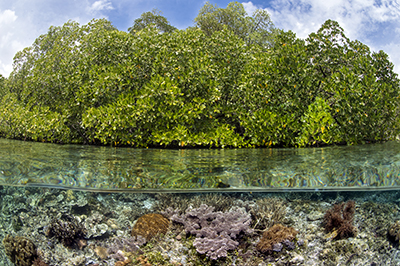
The roadmap identifies three priority areas for research and investment: improved sanitation to cut domestic wastewater pollution, better management of agriculture and land-sea systems, and nature-based solutions such as wetlands and mangroves that filter pollutants before they reach reefs.
It was informed by a workshop in Fiji in October 2025, bringing together researchers, government agencies, industry and community representatives from across the Pacific and beyond.
UQ School of the Environment postdoctoral research fellow Dr Rowell said water pollution was both a major threat to marine ecosystems and one of the most actionable.
“We have an extensive understanding of the impacts of poor water quality and pollution on these ecosystems, but we are still lacking information regarding how to best manage pollution,” Dr Rowell said.
“This is where we need to start connecting our understanding of the problem with solutions and bring funders and government along with us to support the communities working to solve pollution problems.”
Dr Amelia Wenger said the roadmap was designed to guide not just scientists, but also the funders and agencies who decide where support is directed.
“If this roadmap was followed, we would have answers to a lot of the lingering research questions that provide evidence regarding the effectiveness of water pollution solutions,” she said.
“This roadmap isn't just for scientists, it’s also for managing bodies and funders to understand where the gaps are and where more support is needed in terms of resources to help fill them.
“This evidence strengthens the case for funding and supporting policies to move management forward and solve issues facing communities around the world.”
Improving water quality is considered one of the most practical, local-scale interventions available to help coral reefs withstand the pressures of a warming climate, buying time for reefs to recover and adapt.
The roadmap emphasises measuring reef-relevant indicators – including nutrient levels, water clarity, coral disease and recovery after bleaching – so progress can be measured against outcomes that matter for reef-dependent communities.
It will support the UN Ocean Decade-endorsed Nutrient Pollution Global Action Network and other international efforts to curb coastal pollution.


